

Partnering for Success: How the Right Team Protects Long-Term Filtration Operations
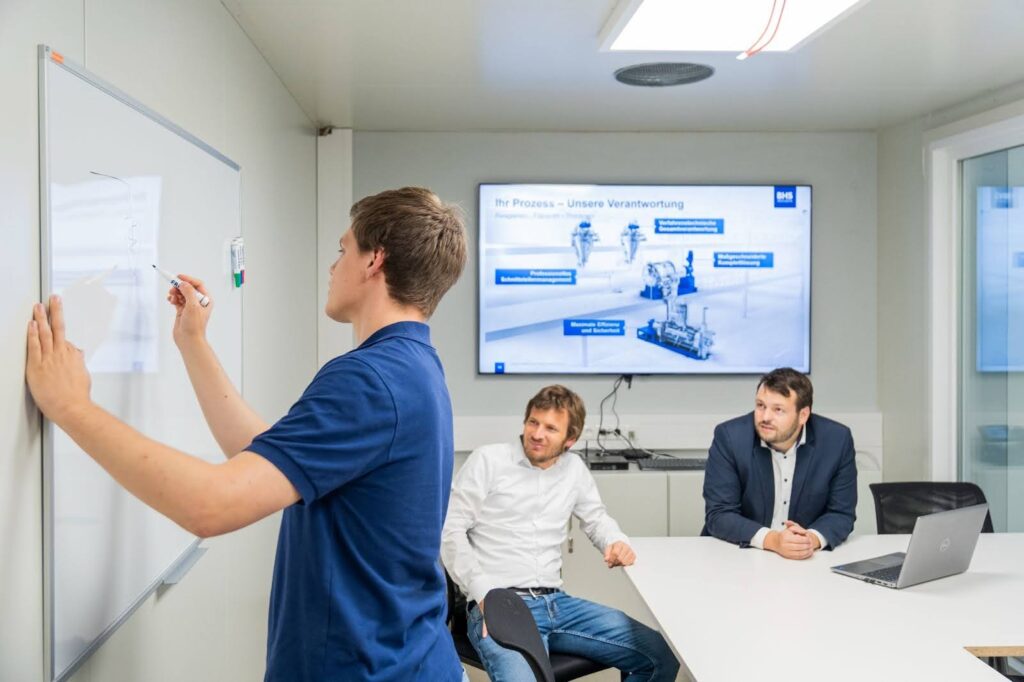
Filtration equipment is only part of the story. The real performance of your filtration operations is determined over time by how well the system is supported through feed variability, process upsets, new product campaigns, stricter purity targets, and capacity expansions.
For process plants running continuous production (or trying to get there), the question isn’t just “Which filter should we buy?” It’s:
“Who will stand behind our filtration operations for the next 10–30+ years?”
Below are the key traits to look for in a filtration equipment partner and why companies that prioritize long-term support tend to win on uptime, yield, and total cost of ownership.
Why Long-Term Partnership Matters More Than Equipment Alone
Even the best-designed filtration system will face change:
- Raw material suppliers shift
- Particle size distributions drift
- Solvent systems change
- Throughput increases are mandated
- Safety and compliance expectations tighten
When those changes hit, filtration operations either adapt quickly or they become a bottleneck that quietly drains throughput, labor, and profitability.
That’s why the strongest plants treat filtration as a life cycle asset. And they choose partners who do the same.
1) Commitment to Long-Term Technical Support
A true filtration partner supports far beyond installation and commissioning. Long-term success in filtration operations requires an engineering team that can stay engaged as conditions evolve.
Look for a partner that provides:
- Ongoing process optimization and troubleshooting
- Support during upsets, feedstock changes, and production expansions
- Guidance across the full lifecycle of the filtration system
- Direct access to technical experts (not a generic call center)
How BHS supports long-term filtration operations
BHS is built around a support-first mindset: Collaboration → Testing → Design → Support. That last step isn’t a handoff; it’s a long-term relationship, backed by engineering resources and a structured approach to solving real plant problems.
2) Ability to Support Legacy Equipment
Many plants are still running filtration systems installed decades ago, and they can’t afford to treat those assets as disposable.
If your filtration operations include legacy equipment, your partner should be able to:
- Provide spare parts for equipment dating back 30+ years
- Support older designs and configurations with real engineering knowledge
- Offer retrofit and modernization options (without forcing full replacement)
- Maintain documentation, drawings, and institutional knowledge
How BHS keeps filtration operations reliable across decades
BHS treats filtration systems as long-term assets, with lifecycle support, OEM parts availability, and engineering continuity that helps plants modernize intelligently instead of starting from scratch.
3) Local Support Through a U.S.-Based Subsidiary
Global expertise is valuable, but only if you can access it quickly when production is on the line.
For critical filtration operations, local presence should include:
- U.S.-based engineering, service, and parts availability
- Faster response times and reduced downtime
- Familiarity with local safety standards and operating practices
- The ability to provide on-site support when it matters most
The BHS advantage: responsive U.S. support
BHS-Sonthofen Inc. operates out of Charlotte, North Carolina, with a stocked spare-parts warehouse, rental equipment capabilities, and an in-house process development lab, so customers aren’t waiting on overseas-only service models when issues arise.
4) Experienced Support Staff With Real-World Plant Expertise
Filtration is never isolated. It’s tied to upstream reactions, crystallization behavior, impurity profiles, downstream drying, emissions control, and solvent recovery.
Strong filtration support requires engineers who can:
- Diagnose root causes, not just symptoms
- Understand upstream/downstream impacts on cake formation and wash efficiency
- Recommend changes grounded in operations, safety, and reliability
- Speak the language of plant teams (because they’ve lived it)
When your filtration operations are slipping, you don’t want guesses; you want a practical, process-based path back to stable performance.
5) Partnership Mindset vs. Transactional Sales Model
The best filtration outcomes come from alignment, not one-time transactions.
A true partner is invested in long-term filtration operations by focusing on:
- Total cost of ownership, not just capital cost
- Collaborative improvements and future expansions
- Reliability, safety, and production targets, not “box-checking” specs
- A trusted-advisor relationship instead of vendor dependency
How BHS approaches partnership
BHS positions itself as an extension of the customer’s engineering and operations team, pairing equipment with testing, application expertise, and lifecycle support to keep filtration performance strong as process demands evolve.
Smart Questions to Ask a Potential Filtration Partner
Use these questions to pressure-test whether a supplier will truly support your filtration operations long-term:
- What does your support look like 3–5 years after commissioning?
- Can you support and supply parts for equipment that’s 20–30+ years old?
- Do you have U.S.-based parts inventory and engineering support?
- Who answers when we have a production upset, an engineer or a service queue?
- What retrofit/modernization paths do you offer before recommending replacement?
Closing: The Difference That Protects Filtration Operations
Filtration equipment can be purchased anywhere.
Long-term process support, legacy expertise, and trusted engineering partnership cannot.
That is the difference BHS delivers, helping customers protect filtration operations for decades, not just commissioning day.
Parts and service requests: [email protected]