

Lab testing predicts filtration performance. Pilot testing proves it.
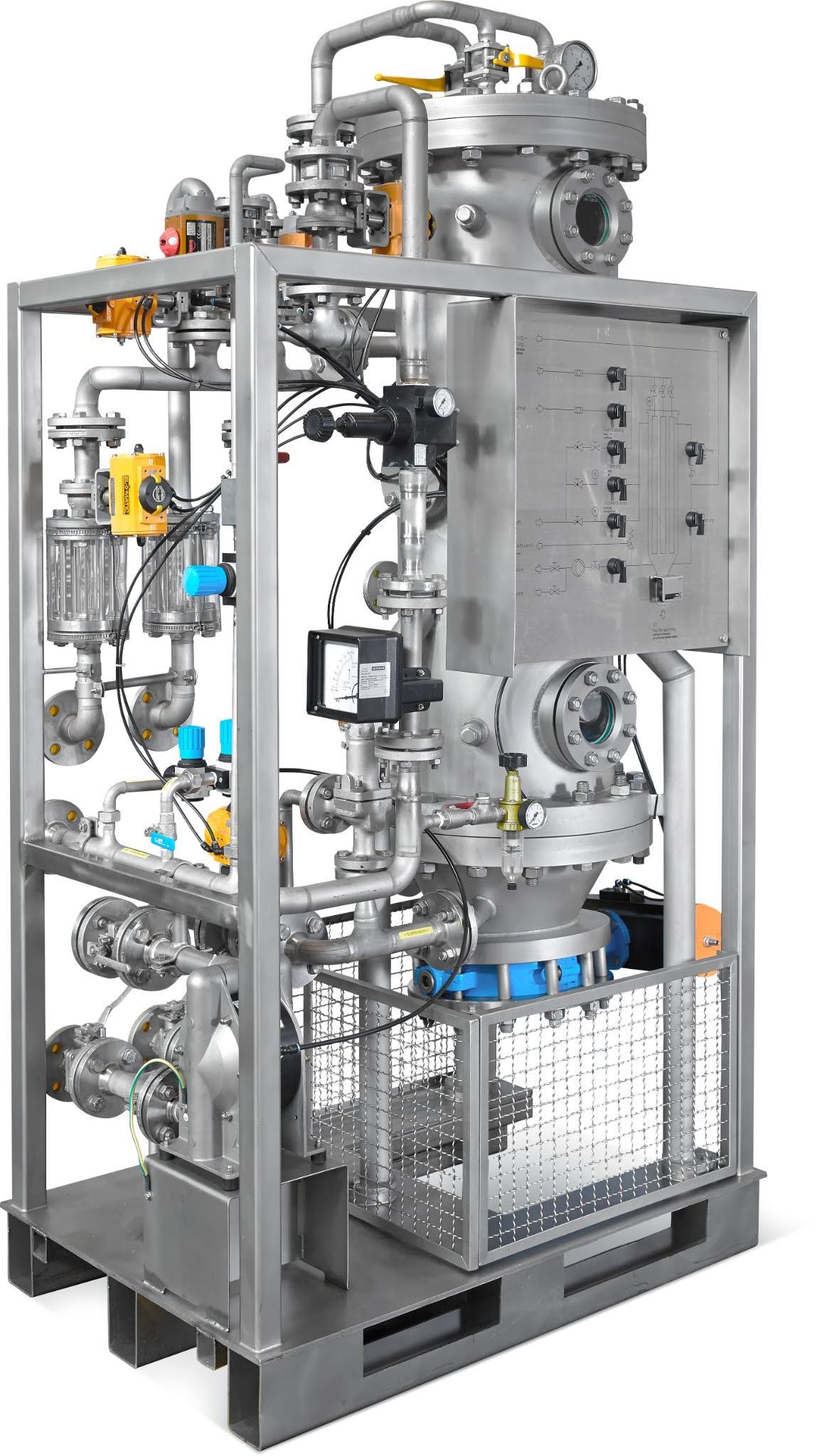
Once lab-scale results point to a viable filtration technology, many customers want to see that performance hold up at a larger scale, on their own site, using the actual equipment type they’re considering, before committing to a full production system. That’s what BHS filtration pilot testing solutions are for.
Using a BHS rental filter unit deployed at your facility, pilot testing runs your process at production-representative volumes on real equipment, under your site’s own conditions. It’s almost always the step after lab testing, not a substitute for it, and it answers a different question than a lab test can: not just whether a filtration approach works, but whether it will work reliably in your plant, at scale, over an extended run.
What Pilot Testing Validates
Pilot trials are designed to recreate real operating conditions on your own site and capture the performance characteristics that matter at full scale:
- Filtration rate and throughput under your actual site conditions and typical slurry variations
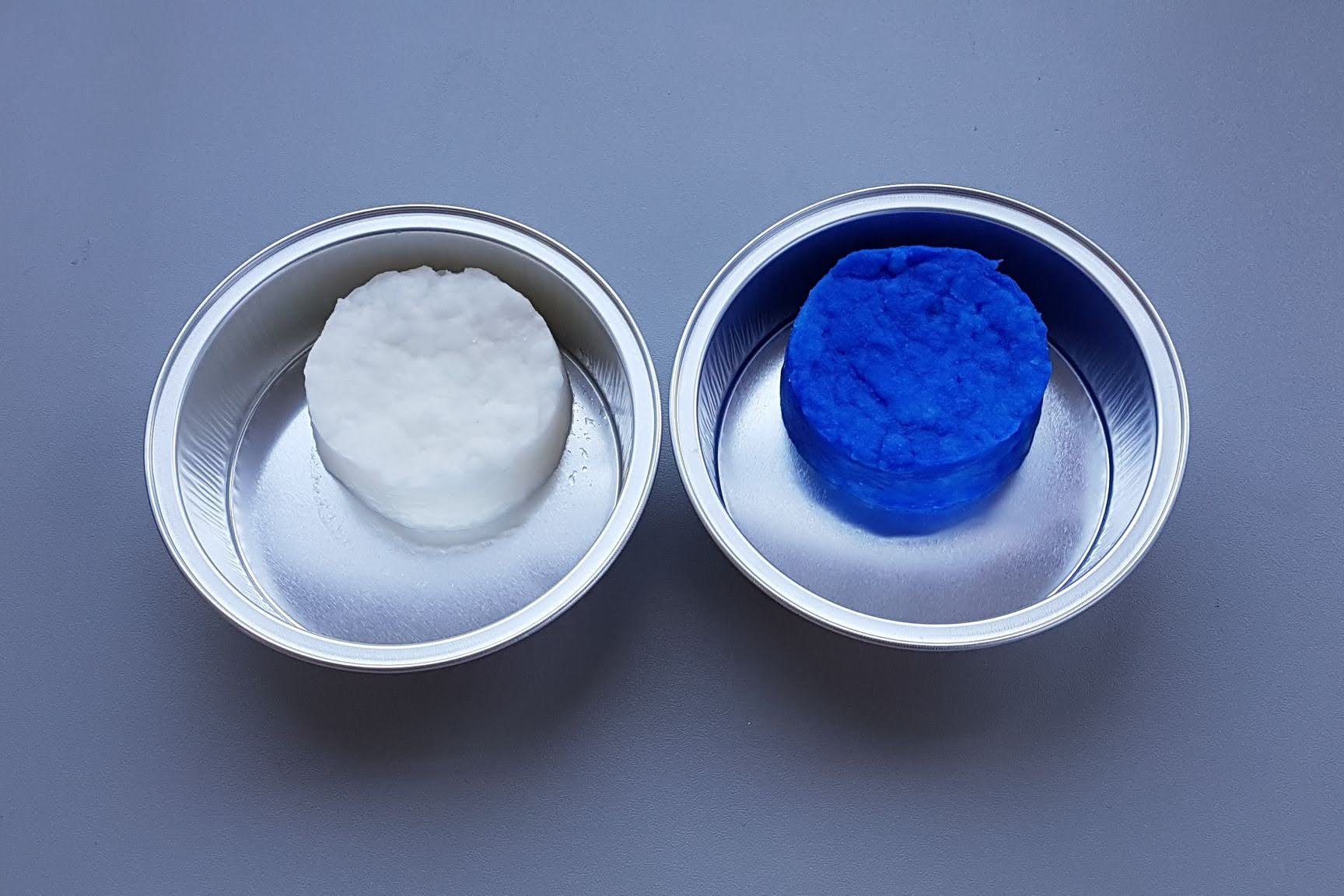
- Cake washing efficiency and achievable purity, at production-representative volumes
- Cake dryness and moisture content
- Discharge consistency and cycle-to-cycle stability over an extended run, not a one-off demo
A small improvement in cake moisture can reduce dryer load significantly. Better washing performance can protect purity and reduce solvent use. Pilot testing validates those outcomes on your actual site before your plant commits to final equipment sizing and installation, which reduces scale-up risk and gives decision-makers the proof they need before they invest.
How BHS Pilot Testing Works
- Lab testing comes first. If you haven’t already confirmed a filtration approach through lab testing, BHS will typically recommend starting there.
- Rental unit configuration. BHS configures a rental filter matched to the technology indicated by your lab results.
- On-site deployment. The unit is installed and run at your facility, on your process, using your own utilities and feed.
- Results and scale-up recommendation. BHS documents performance in a written report with scale-up recommendations for the full-scale system.
What You Get
- A written test report from your own site, not a generic lab environment
- Scale-up recommendations tied to your actual process material and site conditions
- Equipment properly sized and engineered from real, on-site performance data
- Engineering support that accounts for your plant’s upstream and downstream realities
Smart Questions to Ask Before Committing to Pilot Testing
- Has lab testing already confirmed the filtration technology this pilot will validate?
- Does the rental unit match the equipment type you’d actually purchase at full scale?
- How long does the unit need to run on-site to produce reliable, repeatable data?
- Will you receive a written test report with scale-up recommendations, or just observations?
- Can the same partner size, engineer, and support the full-scale system based on your pilot data?
Why Engineers Rely on BHS for Pilot Testing
BHS reduces risk: the risk of buying equipment that’s improperly sized, the risk of performance issues that only appear after scale-up, the risk of deciding based on assumptions rather than data, and the risk of being left on your own after startup. When a filtration project succeeds, it’s because the process was validated in stages on real data: lab testing first, then pilot testing on your own site.
Related Resources
- How Bench-Scale Filtration Testing Reduces Capital Investment Risk
- Why Benchtop & Pilot Testing Is Critical in Industrial Filtration Projects
- The Growing Need for Industrial-Scale Filtration and Why It’s Accelerating
- When to Convert from Batch to Continuous Filtration, and How to Do It Right
- Filter Press Filtration: Understanding the Limitations and When Alternatives Perform Better
- Partnering for Success: How the Right Team Protects Long-Term Filtration Operations