

Confirm the right filtration before you commit
Before you commit to production equipment, you need to know the best filtration for your material. That’s what lab testing is for.
Using a representative sample of your process slurry, roughly 3–5 gallons for most applications, BHS runs a bench-scale test on the BHS Pocket Leaf Filter at our process development lab in Charlotte, NC. This is the entry point for nearly every BHS project: a fast, low-cost way to turn assumptions about your process into measured data before any larger investment.
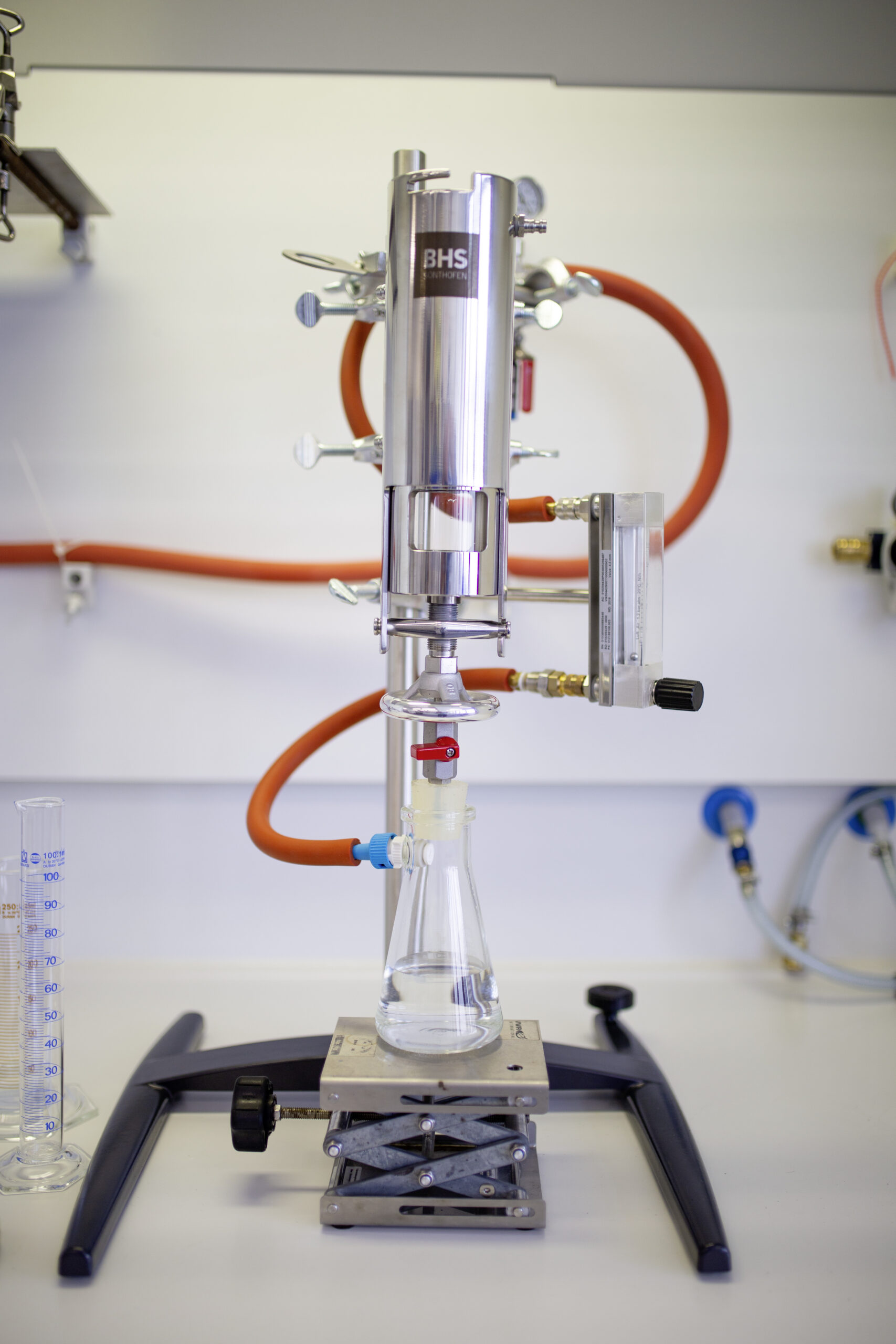
What Lab Testing Confirms
- Cake formation, depth, and the relationship between operating pressure and cake resistance
- Filter media selection, based on filtrate clarity, cake structure, and discharge quality
- Wash performance and the ratios needed to hit your purity or impurity-removal targets
- Drying behavior and the optimal time needed to reach target residual moisture
- Scale-up parameters, including filtration cycle time, wash ratios, and solids throughput per unit area
How BHS Lab Testing Works
You supply a sample of your actual process slurry. An experienced BHS process engineer runs a structured test on the Pocket Leaf Filter, using a standardized data collection process so results are comparable across filter media, pressures, and conditions. Based on the test results, the engineer is able to optimize the test variables to reach the best type and size filter.
You receive a written test report that documents the process description, slurry characteristics, operating conditions tested, and results for each phase of filtration, along with a recommended technology and configuration.
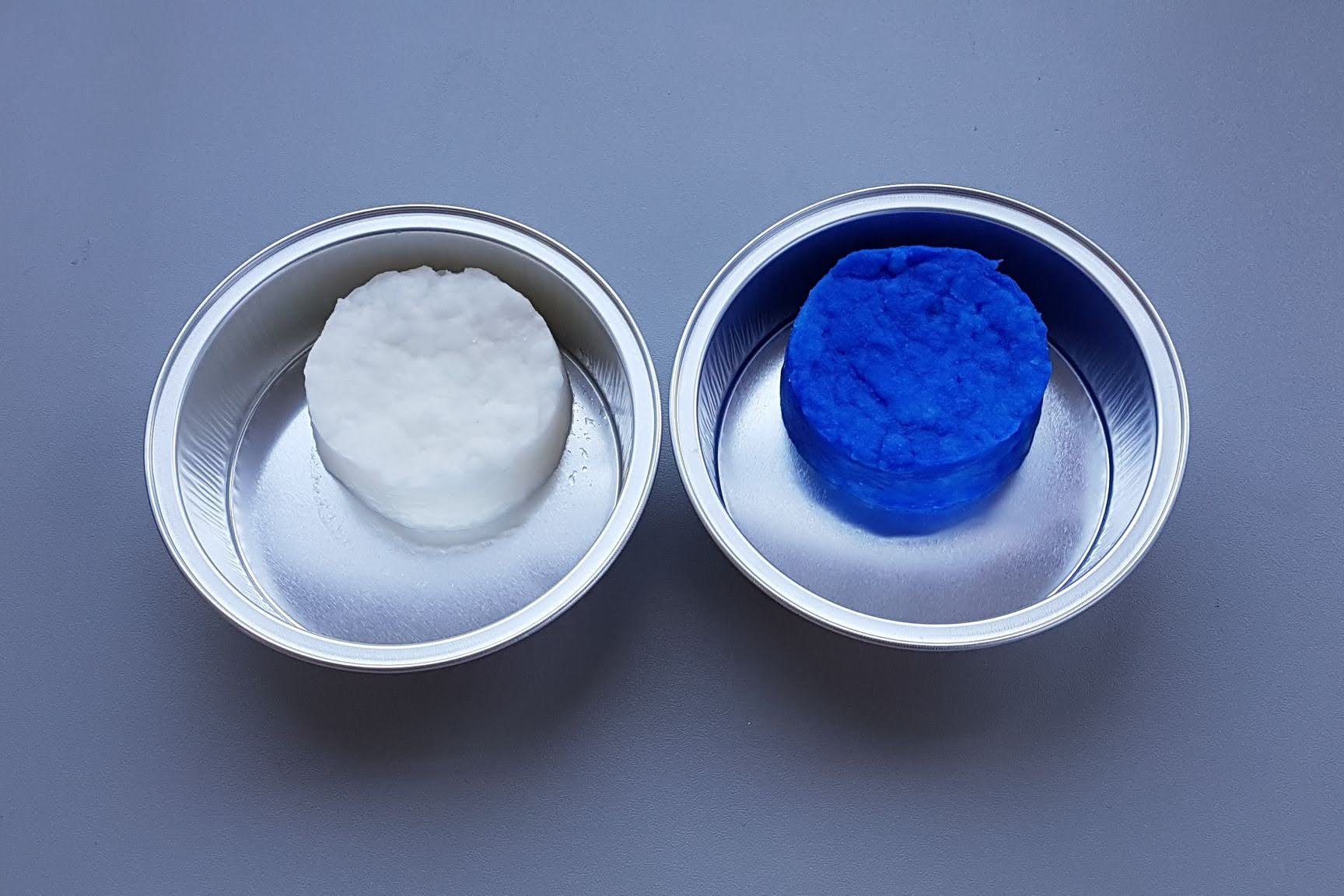
What Happens After Lab Testing
For many applications, lab data is enough to move directly into equipment sizing and full-scale design. For others, especially where a customer wants to see performance hold up on the actual equipment type at their own site, BHS recommends the next step: pilot testing using an on-site rental filter. Pilot testing almost always follows lab testing rather than replacing it.
Why Start With Lab Testing
The cost of a bench-scale test is small next to the cost of discovering a technology mismatch after equipment is installed. Process engineers who start with lab data aren’t being overly cautious; they’re following the standard path from assumption to measured fact before capital is committed.
Related Resources
- How Bench-Scale Filtration Testing Reduces Capital Investment Risk
- Why Benchtop & Pilot Testing Is Critical in Industrial Filtration Projects
- The Growing Need for Industrial-Scale Filtration and Why It’s Accelerating
- When to Convert from Batch to Continuous Filtration, and How to Do It Right
- Filter Press Filtration: Understanding the Limitations and When Alternatives Perform Better
- Partnering for Success: How the Right Team Protects Long-Term Filtration Operations