

How to Run a Successful Pilot Test on a Process Line
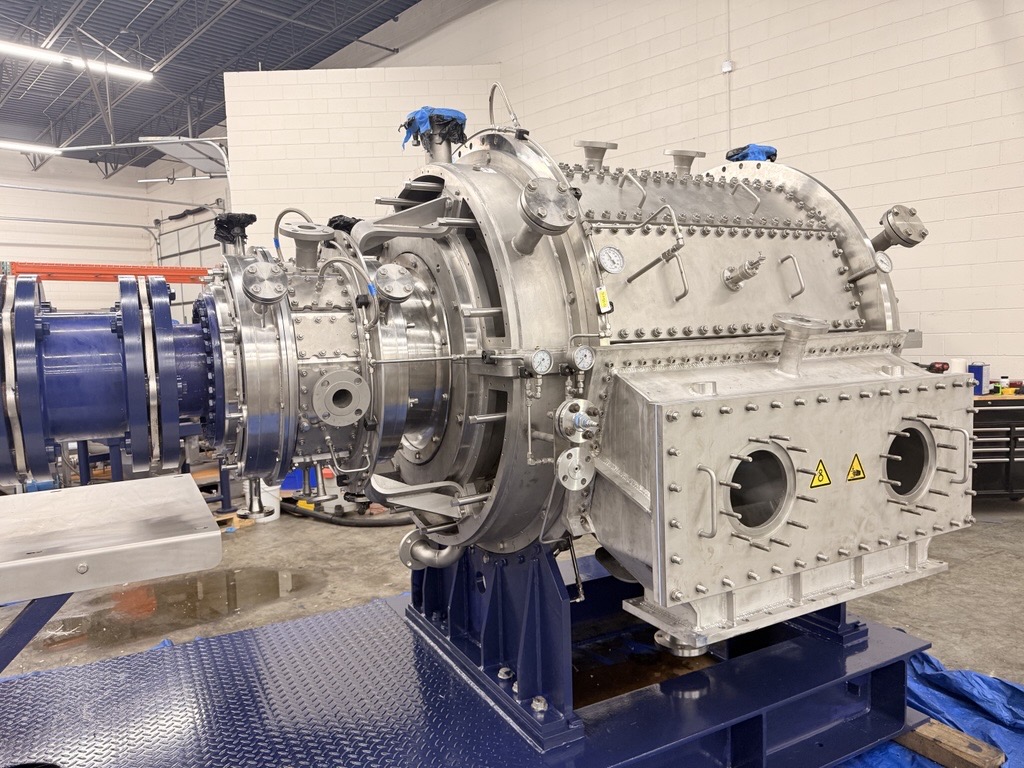
Knowing how to run a successful pilot test is what separates data a team can act on from a result that raises more questions than it answers. A pilot test sits between a promising bench-scale result and a capital commitment to full-scale equipment, and it carries real cost: process time, feed material, personnel, and often a production schedule built around the test window. When it goes well, it validates a technology choice and gives engineers the confidence to move forward. When it does not, the project loses time and budget it may not get back.
Most pilot tests that fall short are not undone by faulty equipment or an unqualified team. They are undermined by gaps in planning: objectives that were never clearly defined, test conditions that drifted from the real process, or a sampling plan built on the fly once the test was already underway. A pilot test that reflects real operating conditions and generates well-documented data supports a confident decision. One that does not leave the team no better off than before it started.
This post walks through the planning, safety, and execution steps that go into a well-run pilot test, along with the practical habits experienced teams rely on to keep the results reliable.
Start With Clear Objectives Before You Run the Test
A successful pilot test begins before the first sample is ever run, with a clear definition of what success looks like. Teams that skip this step often discover only after the test that different stakeholders were measuring different things or that the data collected does not answer the question the test was meant to answer.
Pilot test planning starts with a short list of decisions that need agreement before equipment is scheduled:
- Establish the specific goals the test needs to answer
- Identify the key performance indicators that will determine whether the test succeeded
- Align stakeholders on the expected outcomes and deliverables before testing starts
- Define the operational constraints, budget, schedule, and feed material availability, that the test has to work within
Getting these decisions in writing before the test begins gives the team a shared reference point to evaluate results against, so the evaluation is not built on memory or assumptions once the data is in hand.
Invest Time in Planning Before the Test Begins
Thorough planning is what keeps a pilot test from being derailed by problems that could have been anticipated. A rushed test plan tends to surface its gaps at the worst possible time, mid-run, when there is no good option left but to improvise.
A solid plan covers the practical mechanics of the test itself: a written test plan and schedule, the resources, personnel, and equipment required, the operational challenges likely to come up, and who is responsible for which decisions once the test is running. Anticipating problems on paper is far less costly than discovering them on the test floor.
Communication planning deserves the same attention as the technical plan. When an unexpected result appears at 6 a.m. on day two of a test, the team needs to already know who makes the call to adjust, pause, or continue, not work that out in the moment.
Keep Test Conditions Representative of the Real Process
The value of a pilot test depends entirely on how closely it reflects real-world operating conditions. Representative test conditions are what make the resulting data usable for a scale-up decision. Data collected under conditions that do not match the actual process is, at best, a rough approximation and, at worst, actively misleading.
Variables like particle size, solids concentration, temperature, and feed consistency all influence performance, and small deviations in any of them can shift results in ways that are not obvious until the equipment is running at full scale. Adequate agitation or material handling during the test also matters. Feed that settles, separates, or degrades while sitting in a holding tank no longer reflects the process it was meant to represent.
Teams under schedule pressure are sometimes tempted to run with whatever feed material is available instead of sourcing material that closely matches the process. That shortcut rarely pays off. A decision built on non-representative data can look reasonable right up until the full-scale equipment does not perform the way the pilot data suggested it would.
Build a Sampling and Data Collection Strategy Before Day One
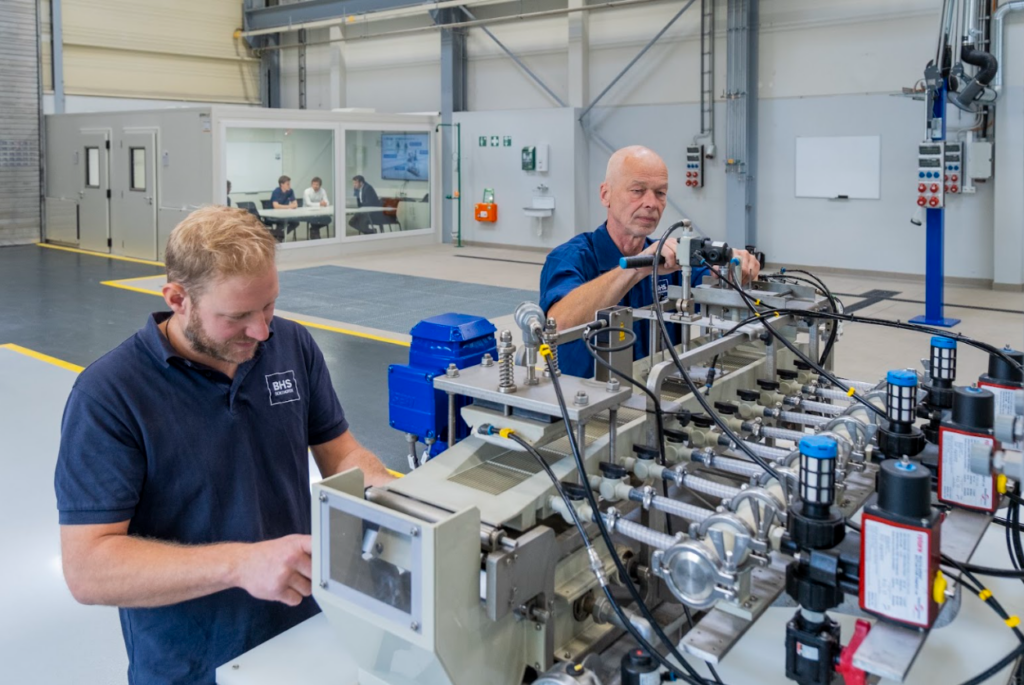
Good data is what turns a pilot test into a decision-making tool. Without it, the test is just an expensive demonstration. A sampling and data collection strategy needs to be defined before testing starts, not improvised once the equipment is running.
That strategy should answer a few specific questions in advance: what measurements will be taken and why, where samples will be collected and how often, and how flow rates and other process measurements will be verified for accuracy. Quality metrics belong on this list as well. Deciding what “good” looks like after the test has already produced results invites the team to fit the conclusion to the data when it should work the other way around.
A test that generates a large volume of data but cannot answer the original question is not a success. Tying every measurement back to a specific objective from the planning stage keeps the data collection strategy focused on what the test needs to prove.
Make Safety and Risk Management Part of the Plan From the Start
Pilot testing often introduces temporary equipment, unfamiliar operating conditions, and process configurations the plant has not run before. That combination is exactly why safety and risk management deserve attention before testing begins, not after an incident forces the issue.
A safety review ahead of the test should evaluate temperature, pressure, and material-handling risks specific to the equipment and feed being used. Product exposure and housekeeping requirements need the same consideration, particularly when the material being tested is hazardous, corrosive, or difficult to contain. Emergency procedures and the responsibilities tied to them should be confirmed and communicated to everyone on the test floor before startup, not explained for the first time after something goes wrong.
Verify Equipment and Material Compatibility Before Startup
Small oversights in equipment compatibility create outsized disruptions during a pilot test. A seal rated for the wrong pressure or a hose incompatible with the process chemistry can shut down a test that took weeks to schedule.
Before the test begins, confirm temperature and pressure ratings across every component in the system, along with compatibility between the process materials and the equipment they will contact. Hoses, fittings, seals, and connections should be inspected, not assumed to be in working order. Instrumentation and measurement devices need to be validated as well. A pilot test can only produce data as reliable as the instruments recording it.
Design the Feed and Transfer System With as Much Care as the Filter
A well-designed feed and transfer system is often the difference between a productive pilot test and a frustrating one, yet it rarely gets the same attention as the primary equipment being evaluated. Line sizing needs to support reliable material transfer at the flow rates the test requires, without creating opportunities for plugging or solids settling along the way.
Maintaining sufficient velocity keeps solids in suspension and prevents them from dropping out in low-flow sections of the line. For slurries prone to settling, a slurry recirculation loop can keep material properly suspended between test runs and prevent the feed from degrading while the team works through setup or troubleshooting.
Evaluate the Results Against What the Test Was Meant to Answer
The purpose of pilot testing is to reduce risk and improve the quality of the decision that follows it. That makes objective evaluation the step where all the planning work either pays off or reveals its gaps.
Results should be compared directly against the success criteria defined at the start of the process, not evaluated in isolation. Observations and lessons learned deserve documentation even when they seem minor at the time, because small details are often what explain a performance gap that shows up later at full scale. Process performance and operational practicality both belong in the evaluation. A technology that hits its performance targets but requires an unreasonable level of operator attention to do so is not the win it appears to be on paper. Finally, the evaluation should surface specific opportunities for optimization before the project moves to scale-up, instead of leaving that work for the commercial plant to discover on its own.
What Experienced Pilot Test Teams Do Differently
A handful of habits separate teams that consistently get useful data from a pilot test from those that struggle with it, regardless of how well the formal plan was written.
Engage operators early. The people who will run the equipment day to day often catch issues that engineers reviewing a P&ID do not.
Expect adjustments. A pilot test is a learning exercise, not a pass or fail event, and treating every deviation as a failure discourages the kind of mid-test troubleshooting that produces the best data.
Document everything. Small observations frequently explain the big performance differences that show up weeks later during analysis.
Do not overlook logistics. Material delivery, utility availability, waste handling, and staffing all affect whether a well-designed test can run as planned.
Think about scale-up from day one. The purpose of a pilot test is to apply the results to full-scale operation with confidence, and keeping that goal in view shapes which data is worth collecting along the way.
How BHS Supports Pilot Testing From Planning to Scale-Up
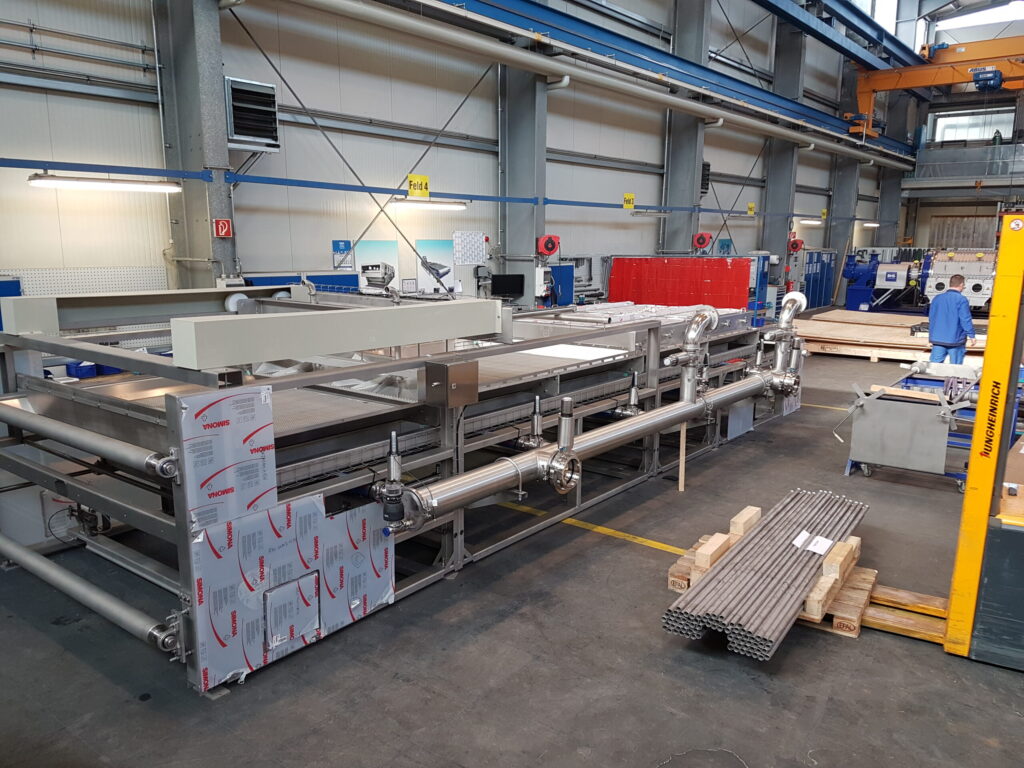
BHS Filtration works through pilot test planning with customers as a technical partner, not an equipment supplier handing over a unit and a manual. That starts with reviewing the process data already available, typically from bench-scale testing, and using it to define what the pilot stage still needs to confirm.
For processes that need extended run times or larger sample volumes than a bench test can provide, BHS offers pilot rental units for on-site testing that bridges lab-scale results and a full commercial specification. Every pilot test BHS supports produces a documented result: measured performance, observed operating behavior, and a clear basis for the scale-up recommendation that follows. That documentation is what allows a process engineer to defend a technology decision in a capital project review with more than a verbal summary of how the test went.
The Best Pilot Tests Are Planned, Not Lucky
The most successful pilot tests are rarely the ones that run without a single hiccup. They are the ones planned thoroughly, executed safely, and documented well enough that the resulting data can support a confident scale-up decision, whether the test went exactly as expected or revealed something that needed to change.
A pilot test built on clear objectives, representative conditions, and a defined data strategy earns its cost even when it surfaces a problem, because that problem was found before capital was committed rather than after.
Frequently Asked Questions
How long should a pilot test run to produce reliable data?
There is no fixed duration that applies to every process. A pilot test needs to run long enough to capture normal day-to-day variation in the feed and to reveal behavior, such as filter media blinding or gradual drift in solids content, that only shows up over extended operation rather than in a short trial.
Who should be involved in planning a pilot test?
Process engineers define the technical objectives, but operators, safety personnel, and whoever owns the final scale-up decision should all have input before the test plan is finalized. Leaving any of these groups out until the test is underway is a common source of avoidable rework.
What is the most common reason pilot test data cannot be trusted?
Non-representative test conditions are the most frequent culprit. When feed material, particle size, or process conditions drift from what the full-scale operation will see, the resulting data describes a process that does not exist at a commercial scale.
Submit an Application Data Sheet or start a technical conversation with BHS Filtration’s process development team to plan a pilot test built around your actual process conditions.