

Advancing Plant-Based Protein Purification: New Innovations in the BHS Rotary Pressure Filter
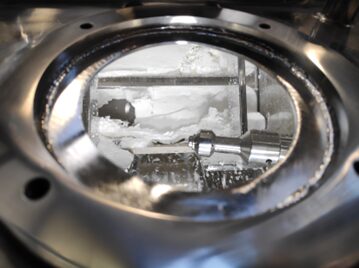
From Crop to Cutlet: How Plant-Based Protein Purification Works
The journey from a harvested crop to a convincing plant-based burger is longer and more complex than many people realize. At the center of it all is plant-based protein purification, the stage where proteins are separated, cleaned up, and prepared for texturizing and formulation.
It begins with extraction. Peas, soybeans, fava beans, chickpeas and other raw materials are milled and mixed with water, and sometimes enzymes, to solubilize the proteins. The goal is to move the protein into the liquid phase while leaving as much fiber, starch and hull material behind as possible. At this point, the process stream is usually a fairly dilute slurry: useful, but nowhere near ready for use in a burger or nugget.
Next comes purification and concentration. Through a combination of precipitation, washing, lipid removal and filtration, the proteins are separated from sugars, starches, pigments, residual lipids and other compounds that can contribute to off-flavors or undesirable color. This is where solid-liquid separation becomes central. The proteins often exist as curds or fine particles suspended in a mother liquor that contains most of the unwanted solubles. The job of purification is to capture those proteins while washing everything that shouldn’t be there down the drain.
Once purified, the protein can be dewatered to the right level for the next step. Some producers choose to dry the material into a stable powder; others keep it as a hydrated concentrate that feeds directly into texturizers and extruders. Regardless of the form, consistent moisture, neutral flavor and controlled color are critical.
Only then does texturization begin. By exposing the protein to heat, shear and pressure in an extruder, processors align and denature the protein structures, creating the layered, fibrous textures associated with animal muscle. Finally, the textured protein is blended with fats, flavors, binders and color to produce a finished plant-based meat analogue.
Across this whole chain, purification acts as the quiet gatekeeper. If the protein leaving the filtration step is inconsistent, too wet, or still loaded with off-flavor compounds, every downstream operation has to work harder to compensate.
Filtration After Fermentation: Turning Complex Slurries into Clean Ingredients
Increasingly, plant-based protein lines are incorporating fermentation to improve their products. Fermentation can soften or transform off-flavor compounds, add desirable aromatics, or generate complementary ingredients such as flavor enhancers or mycoprotein biomass. It can also help remove antinutritional factors and improve digestibility.
But fermentation also makes the separation challenge more complex. After the bioreactor or fermenting tank, the broth often contains:
- Protein-rich solids or curds
- Microbial biomass and residual plant fibers
- Soluble sugars, salts and organic acids
- Color bodies and flavor-active molecules
- In some cases, flammable solvents such as ethanol used for lipid or flavor removal
To move forward, the producer has to separate the valuable protein fraction from everything else and wash it thoroughly enough to meet flavor, color, nutritional and regulatory targets. If washing is incomplete, residual sugars and small molecules can carry beany or bitter notes into the final product. If dewatering is inconsistent, dryers and extruders see fluctuating feed properties, causing quality drift and operational instability.
This is why the filtration step immediately after fermentation or extraction is so important. It is the point where a complex, variable slurry is transformed into a controlled, predictable intermediate that the rest of the plant can rely on.
Modern Plant-Based Plants Need Continuous, GMP-Ready Filtration
Many new facilities for plant-based proteins and vegan meats are designed from the start for continuous or semi-continuous operation. Fermentation runs with staggered batches. Extraction and precipitation stages are automated. Extruders are most efficient when they see a steady feed rather than a start-stop pattern.
Traditional batch filtration technologies such as filter presses, bag filters or manual centrifuges struggle to keep up with this model. They require frequent operator intervention to discharge cakes, they have large product hold-up volumes, and they are not always easy to clean to modern GMP expectations. Changeovers between recipes can be slow and labor-intensive, and the equipment can easily become the bottleneck that dictates the entire plant’s capacity.
The process realities of today’s vegan meat plants therefore call for a different kind of filtration system: one that runs continuously, integrates multi-stage washing in a compact footprint, and is designed from the ground up for hygienic operation and food safety. It must also handle solvents such as ethanol safely when they are used for lipid extraction or off-flavor removal.
The BHS Rotary Pressure Filter (RPF) was developed for exactly this type of separation challenge, and in recent years, BHS has made a series of design innovations specifically with plant-based protein purification in mind.
The BHS Rotary Pressure Filter in Plant-Based Protein Purification
The Rotary Pressure Filter is a fully enclosed filter in which a slowly rotating drum is divided into individual cells. As the drum turns, each cell moves through a series of precisely defined zones: cake formation, one or more washing stages, final dewatering, and cake discharge. The entire process occurs under pressure inside a sealed housing.
For plant-based protein applications, this architecture brings several advantages. The feed enters continuously and is distributed across the filter cells, forming a thin cake on the cloth in each cell. That cake then passes under one wash zone after another, allowing producers to achieve the degree of washing they need without building an excessively tall or complex plant. After washing, compressed gas or pressure differential removes the last portion of liquid, delivering a cake with consistent residual moisture. Finally, the cake is discharged and the cloth is regenerated for the next cycle, all without interrupting the feed.
Because the filter is enclosed and gas-tight, it lends itself naturally to solvent operations and to environments where protecting both the product and the operator from exposure is critical. But as process and regulatory demands have grown, BHS has gone further, refining details of the RPF to address cleanability, dead-volume reduction and GMP documentation.
Inflatable Seals: Cleanability without Compromising Containment
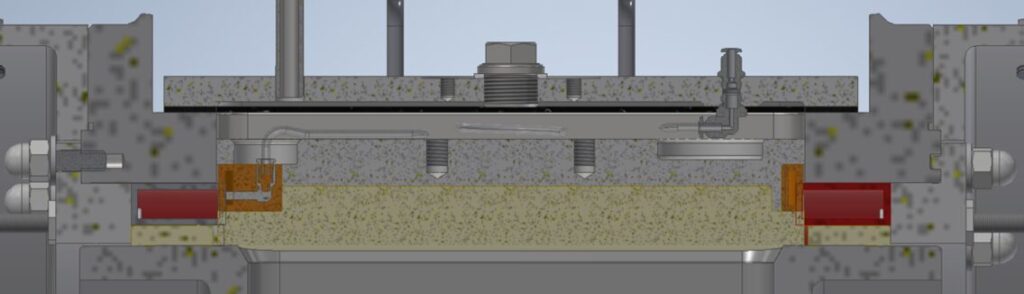
One of the most important changes in recent BHS Rotary Pressure Filters is the adoption of inflatable seals at critical interfaces. In older designs, static gaskets or seals could create crevices and shadow areas that were hard to reach during cleaning. Removing or disassembling them for a deep clean was often time-consuming and introduced the risk of incorrect reassembly.
Inflatable seals solve this dilemma. During filtration and washing, the seals are pressurized, expanding to form a tight, reliable barrier that prevents leakage between zones and protects the surrounding environment. When the system switches into cleaning mode, the seals can be deflated. This slight change in geometry opens up pathways for cleaning solutions to reach behind and around the sealing surfaces.
For a plant producing multiple vegan meat SKUs or switching between different protein sources such as soy and pea, this design matters. It makes it much easier to perform and document an effective CIP cycle, and it reduces the number of manual interventions operators must perform between campaigns. The result is shorter changeover times, more uptime, and stronger support for allergen-control programs and third-party audits.
Eliminating Dead Areas and Product Accumulation
Dead legs and pockets where product can stagnate are long-recognized weaknesses in many process systems, but they are particularly problematic in food and fermentation-derived ingredients. Residual material not only represents yield loss; it can also harbor microorganisms, compromise shelf life, and complicate cleaning validation.
In response, BHS has systematically redesigned internal geometries within the Rotary Pressure Filter to minimize dead areas and product accumulation. Internal supports and housings have been streamlined so that liquid drains completely. Junctions between components have been reshaped to prevent small, hard-to-reach cavities. Cake discharge and heel removal features have been optimized to leave as little residual product as possible after each cycle.
For operators, these changes show up as cleaner inspections after CIP, less time spent dealing with stubborn residues, and a noticeable reduction in the amount of scrapped or downgraded product at the end of a campaign. For quality teams, they simplify microbial risk assessments and support stronger confidence in sanitation programs.
Hygienic Housing Design for Food and Solvent Service
The housing that surrounds the filter cells is more than just a pressure vessel; it is a key component in both hygienic design and safety management. BHS has invested heavily in housing designs tailored to the realities of plant-based protein purification.
Internally, surfaces are smooth, with appropriate finishes and slopes that encourage full drainage after both production and CIP. The geometry is arranged to avoid collection points where cleaning solution or product might linger. Access doors, sight glasses and inspection ports are positioned to give maintenance and quality personnel clear views of the internals without unnecessary dismantling.
Externally, the housing is built for wash-down and integration into hygienic zones. Because the filter is fully enclosed and gas-tight, it can be safely used with ethanol or other flammable solvents while meeting the requirements of hazardous-area classifications such as Class I, Division 1. Vent and nitrogen-inerting connections can be incorporated into the design so that solvent vapors are properly managed and operators remain protected.
For producers looking to combine food GMP with solvent extraction in the same line, this combination of hygienic and safety features is particularly attractive.
Cleaning Nozzles and CIP: Automating Hygienic Performance
The final piece of the puzzle is cleaning. Even with good geometry and seals, an effective CIP system is essential to maintain GMP standards and support rapid changeovers.
BHS has added cleaning nozzles and spray devices throughout the Rotary Pressure Filter. Carefully placed spray balls, rotating heads and targeted jets provide coverage in areas that once required manual cleaning, cake discharge chutes, corners of the housing, under internal structures and around seal interfaces. These nozzles tie into the plant’s CIP skid so that pre-rinses, caustic washes, acid stages and final rinses can be run as automated recipes.
From an operational perspective, this means cleaning is not left to individual interpretation. Cycles can be validated, monitored, and repeated with a high degree of confidence. For companies pursuing strict allergen segregation or supplying sensitive customer segments, that repeatability is a major advantage. It also reduces the ergonomic and safety risks associated with manual lance cleaning in confined spaces.
What These Innovations Mean for Vegan Meat and Plant Protein Producers
Taken together, the innovations in the modern BHS Rotary Pressure Filter reshape what plant-based protein purification can look like in practice.
Producers gain a continuous, enclosed filter that integrates seamlessly with modern extraction, fermentation and extrusion lines. The improved washing performance and finely controlled dewatering help deliver protein bases that are neutral in flavor, visually appealing, and highly predictable in behavior. Extruders can be run closer to their optimum settings because feed variability is reduced. Dryers can be sized and operated based on consistent moisture levels rather than worst-case assumptions.
At the same time, the hygienic design, inflatable seals, minimized dead zones and advanced CIP options align with the rising expectations of auditors, regulators and brand owners. Plants can document effective cleaning between allergen-containing and allergen-free products. They can handle ethanol washing or other solvent operations without compromising safety. And they can achieve this while using fewer labor hours on manual cleaning and changeover tasks.
The commercial impact is straightforward: higher on-spec yield, lower operating cost per kilogram of protein, and the flexibility to respond quickly as recipes and product portfolios evolve.
Turning Process Innovation into Market Advantage
The rapid growth of plant-based foods has created intense pressure on manufacturing teams. They must hit ambitious flavor and texture targets, control costs in a competitive category, and meet tightening regulatory and customer requirements, all while bringing new products to market at speed.
In that environment, plant-based protein purification is a strategic lever. Companies that master this step can unlock cleaner-tasting, more functional proteins and run their lines with greater confidence. Those that treat purification as an afterthought often find themselves constrained by off-flavors, variability and bottlenecks.
By combining continuous thin-cake filtration with targeted innovations, inflatable seals, reduced dead areas, hygienic housings, optimized cells and robust CIP, the latest generation of BHS Rotary Pressure Filters offers a practical, scalable route to better purification. For producers of vegan meats and plant-based protein ingredients, that can be the difference between a promising concept on paper and a reliable, profitable process in the plant.