Innovation in Action
Specifying a filtration system for a new process line starts long before anyone chooses a technology. This post walks through the process characterization, testing, and validation steps that produce a spec engineers can defend in a capital project review, including what a good test report contains and when pilot testing earns its cost.
Running a pilot test is a significant investment of time, feed material, and personnel, and the value of the data it produces depends entirely on how well the test was planned. This post walks through the objectives, planning, safety, and data collection steps that separate a pilot test that supports a confident scale-up decision from one that raises more questions than it answers.
Selecting filtration equipment without process-specific test data is one of the most reliable ways to introduce scale-up risk into a capital project. This post explains what bench-scale filtration testing covers, how written test reports support equipment selection and process design, and how BHS Filtration’s Charlotte-based lab supports process development from bench to full-scale plant.
Chemical and pharmaceutical plants running batch filtration at high throughput often discover the process creates more problems than it solves. This post walks through the operational signals that indicate a conversion to continuous solid-liquid separation is warranted, what to evaluate before committing, and how BHS supports the transition.
Filter presses have been a fixture in industrial solid-liquid separation for decades. They remain a legitimate choice for many applications. But understanding where filter press filtration performs well, and where it does not, is what allows process engineers to make the right equipment decision the first time.
Benchtop and pilot testing are essential steps in industrial filtration projects, but only when they’re designed with full-scale operation in mind. This article outlines the most common pitfalls in lab- and pilot-scale solid-liquid filtration testing and the practical best practices that help ensure your data is reliable, repeatable, and truly scalable.
Industrial-scale filtration is no longer just a supporting process; it’s a strategic driver of yield, compliance, and operating cost. This article explores the forces behind the rising demand for industrial-scale filtration and how proven cake filtration technologies help facilities scale with confidence.
Filtration projects rarely fail on paper; they fail at scale. That’s why the BHS application development process centers on validation through bench testing and filtration pilot testing before full-scale design. By proving performance under real operating conditions, BHS helps manufacturers reduce risk, improve efficiency, and move confidently from lab to plant.
Sustainable food technology isn’t just about new ingredients—it’s about how efficiently they’re made. This article uses an L-threonine upgrade to show how next-generation continuous filtration can cut energy and water use, protect product quality, and turn downstream solid-liquid separation from a bottleneck into a productivity engine.
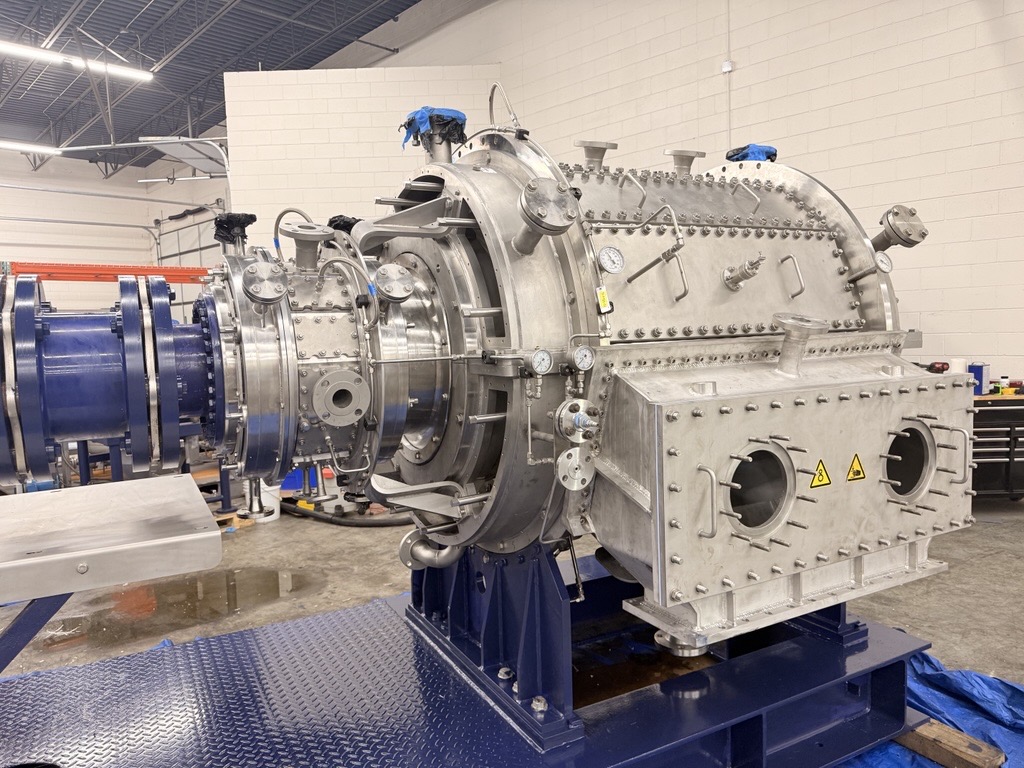
This case study follows an artificial sweetener producer that replaced problem-prone centrifuges with a refurbished BHS Rotary Pressure Filter. You’ll see how improved fermentation filtration delivered cleaner crystals, lower residual moisture, higher yield, and far less downtime—all within an aggressive installation window.
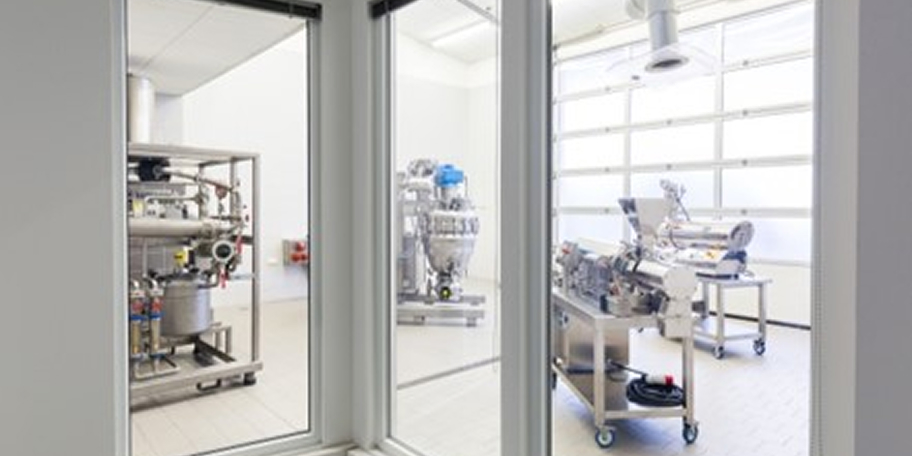
Plant-based protein purification is where flavor, color, and functionality are won or lost. This article shows how the BHS Rotary Pressure Filter’s hygienic design, inflatable seals, and optimized cake washing turn challenging protein slurries into consistent, neutral-tasting bases for vegan meats and plant-based ingredients.
Filtration is the quiet workhorse behind modern plant-based food products, turning complex fermentation broths into clean, high-value ingredients. This guide walks through where solid-liquid separation fits, how different filtration technologies compare, and how BHS supports producers from lab trials to full-scale plants.
The refining of rare earth elements (REEs) is one of the most technically demanding processes in the critical minerals supply chain. Each stage, whether leaching ores in strong acids or selectively precipitating individual elements, relies on solid-liquid separation to ensure product purity and process efficiency.
Rare earth elements (REEs) may represent only small fractions of the materials used in modern technologies, but their impact is enormous. From electric vehicles (EVs) and wind turbines to consumer electronics and defense systems, REEs are essential to the clean energy transition and national security.
Hydrometallurgical battery recycling has emerged as one of the most effective methods for recovering high-purity metals from end-of-life batteries. Unlike pyrometallurgy—which requires high temperatures and produces significant emissions—hydrometallurgy uses chemical processes at lower energy inputs, making it more sustainable and more compatible with the circular economy.
Graphite is the dominant material used in lithium-ion battery anodes, making it a critical enabler of the electrification economy. More than 95% of today’s EV batteries rely on graphite based anodes for conductivity, stability, and performance. As demand for electric vehicles and grid-scale energy storage grows, so too does the need for battery-grade natural graphite that meets stringent quality standards.
The global transition to electric mobility and renewable energy storage has placed lithium ion battery materials production at the center of the clean energy economy. Electric vehicles (EVs) are driving exponential demand for battery-grade materials, while grid-scale storage systems are expanding the reach of wind and solar power.