Skip to content

Category Archives: News

BHS Filtration rare earth elements
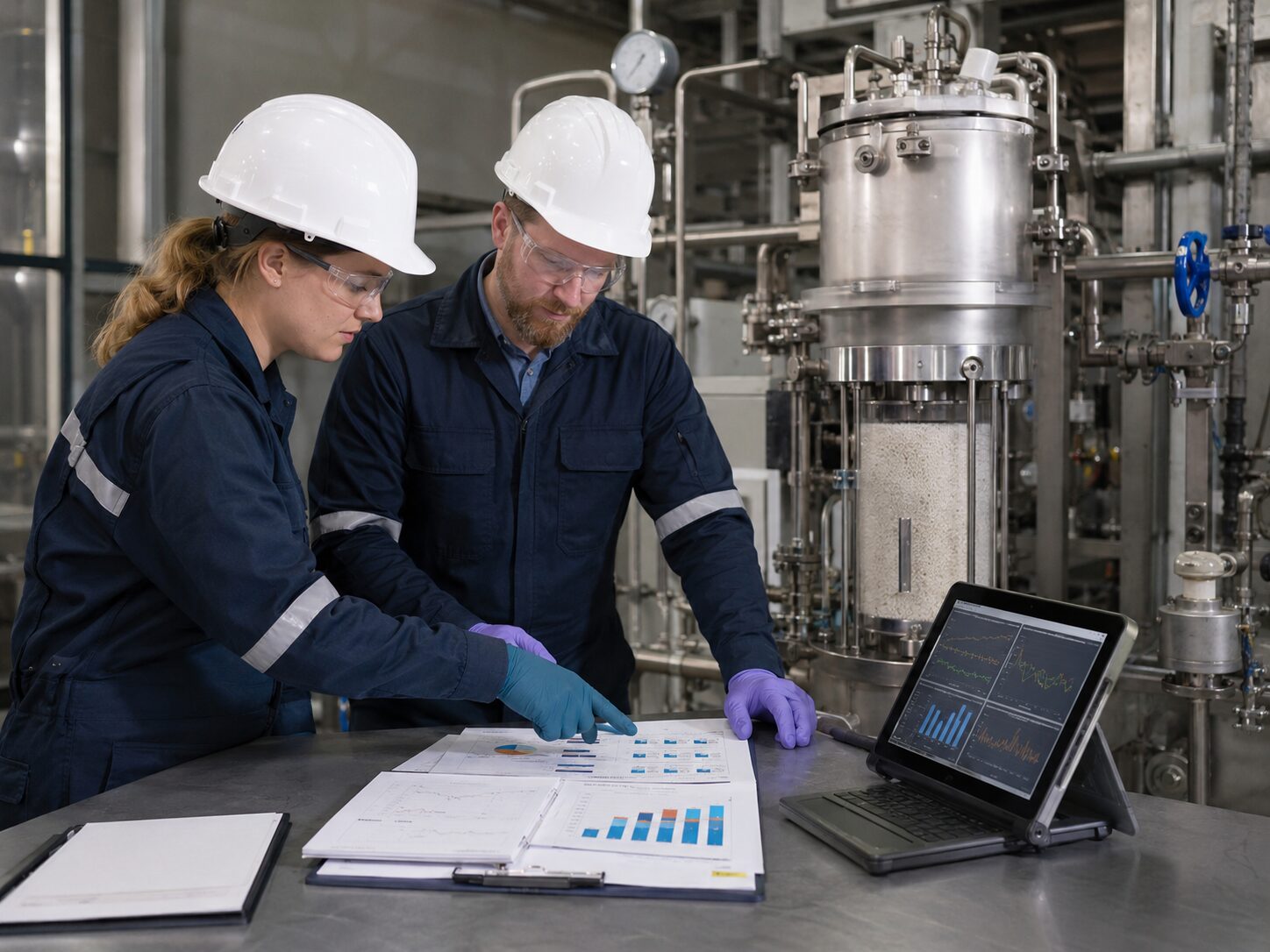
Rare earth elements (REEs) may represent only small fractions of the materials used in modern technologies, but their impact is enormous. From electric vehicles (EVs) and wind turbines to consumer electronics and defense systems, REEs are essential to the clean energy transition and national security.
direct battery recycling process
Lithium-ion batteries are central to the electrification of transportation and renewable energy storage. But as volumes of end-of-life batteries increase, recycling technologies must evolve to reduce costs, minimize environmental impact, and recover materials efficiently.
hydrometallurgical battery recycling with BHS Filtration
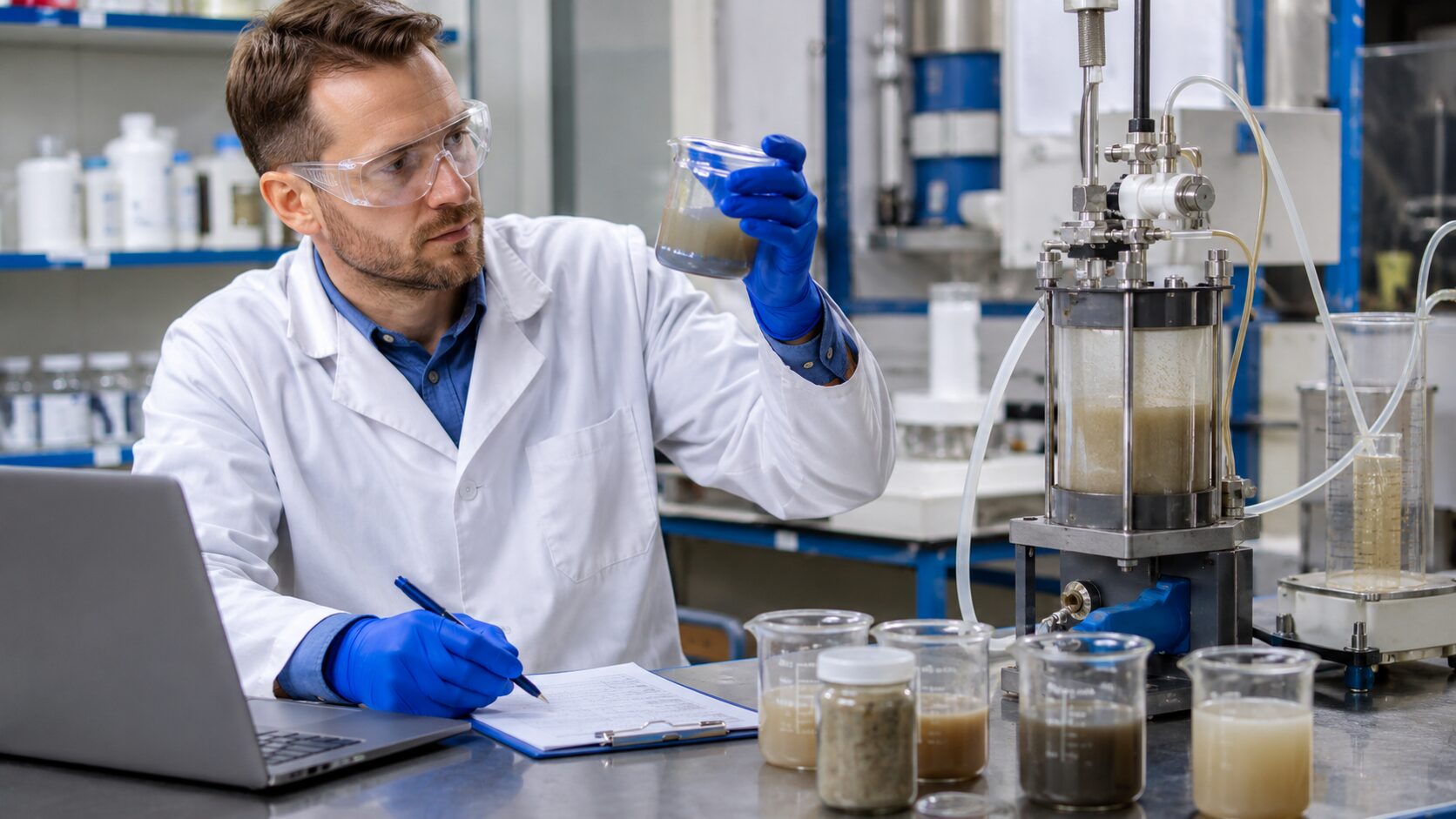
Hydrometallurgical battery recycling has emerged as one of the most effective methods for recovering high-purity metals from end-of-life batteries. Unlike pyrometallurgy—which requires high temperatures and produces significant emissions—hydrometallurgy uses chemical processes at lower energy inputs, making it more sustainable and more compatible with the circular economy.
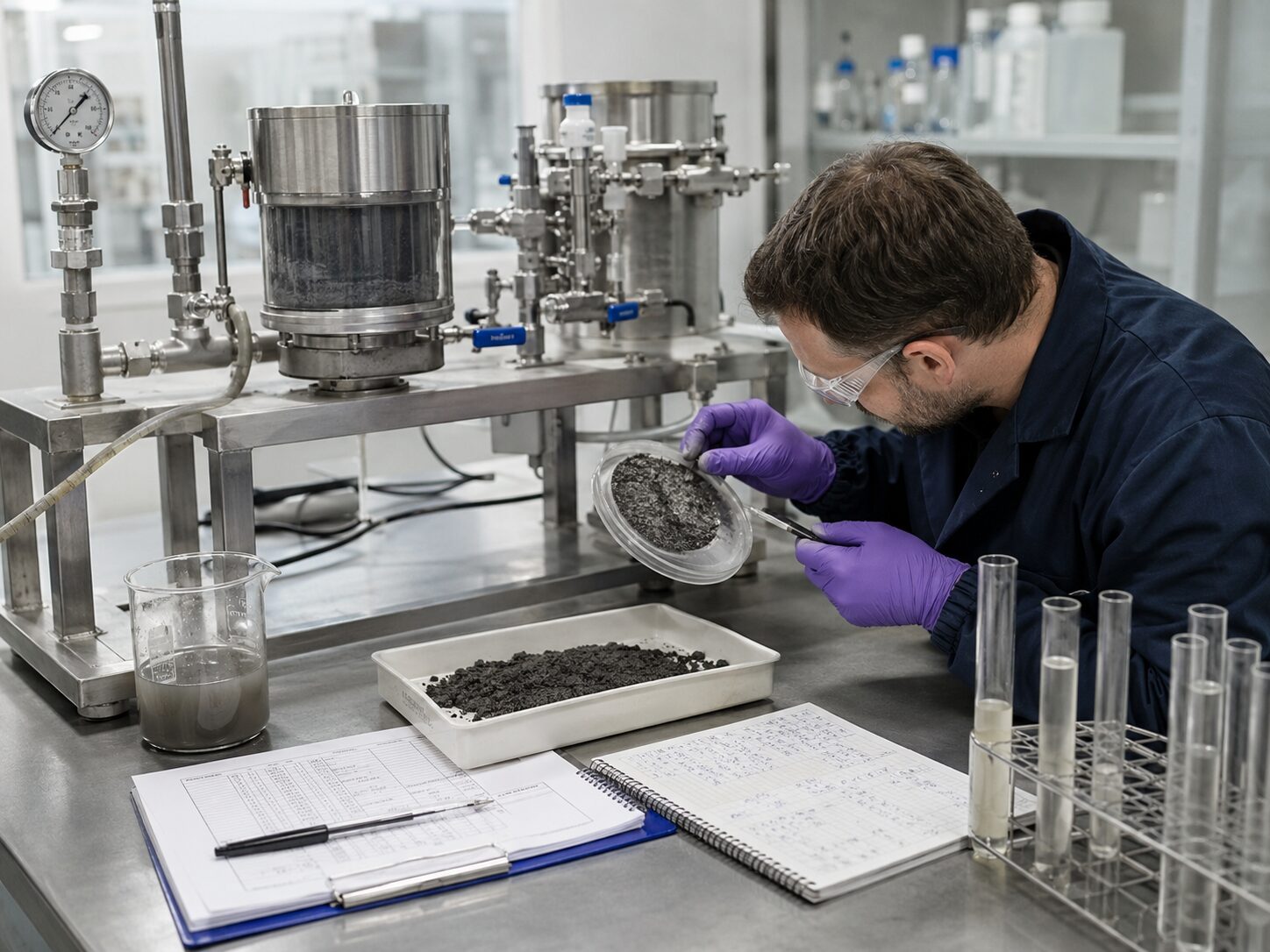
Graphite is the dominant material used in lithium-ion battery anodes, making it a critical enabler of the electrification economy. More than 95% of today’s EV batteries rely on graphite based anodes for conductivity, stability, and performance. As demand for electric vehicles and grid-scale energy storage grows, so too does the need for battery-grade natural graphite that meets stringent quality standards.
lithium ion battery materials
The global transition to electric mobility and renewable energy storage has placed lithium ion battery materials production at the center of the clean energy economy. Electric vehicles (EVs) are driving exponential demand for battery-grade materials, while grid-scale storage systems are expanding the reach of wind and solar power.